
Studio or 1 Bedroom Apartment? Choose the Best Property for Your Lifestyle
When selecting a living space, understanding the distinctions between a studio apartment and a 1 bedroom apartment is crucial. A studio apartment is typically defined as a single-room dwelling that combines the living room, bedroom, and kitchenette into one cohesive area. This layout promotes efficiency and often maximizes the utility of limited square footage, usually ranging from 300 to 600 square feet. The absence of walls separating the sleeping area from the living space creates an open floor plan, which can give the impression of a larger area despite its compact size.
PROPERTY BUYING GUIDESHURGHADA CITY GUIDEPROPERTY FINANCINGBEACHFRONT LIVING
5/6/20265 min read
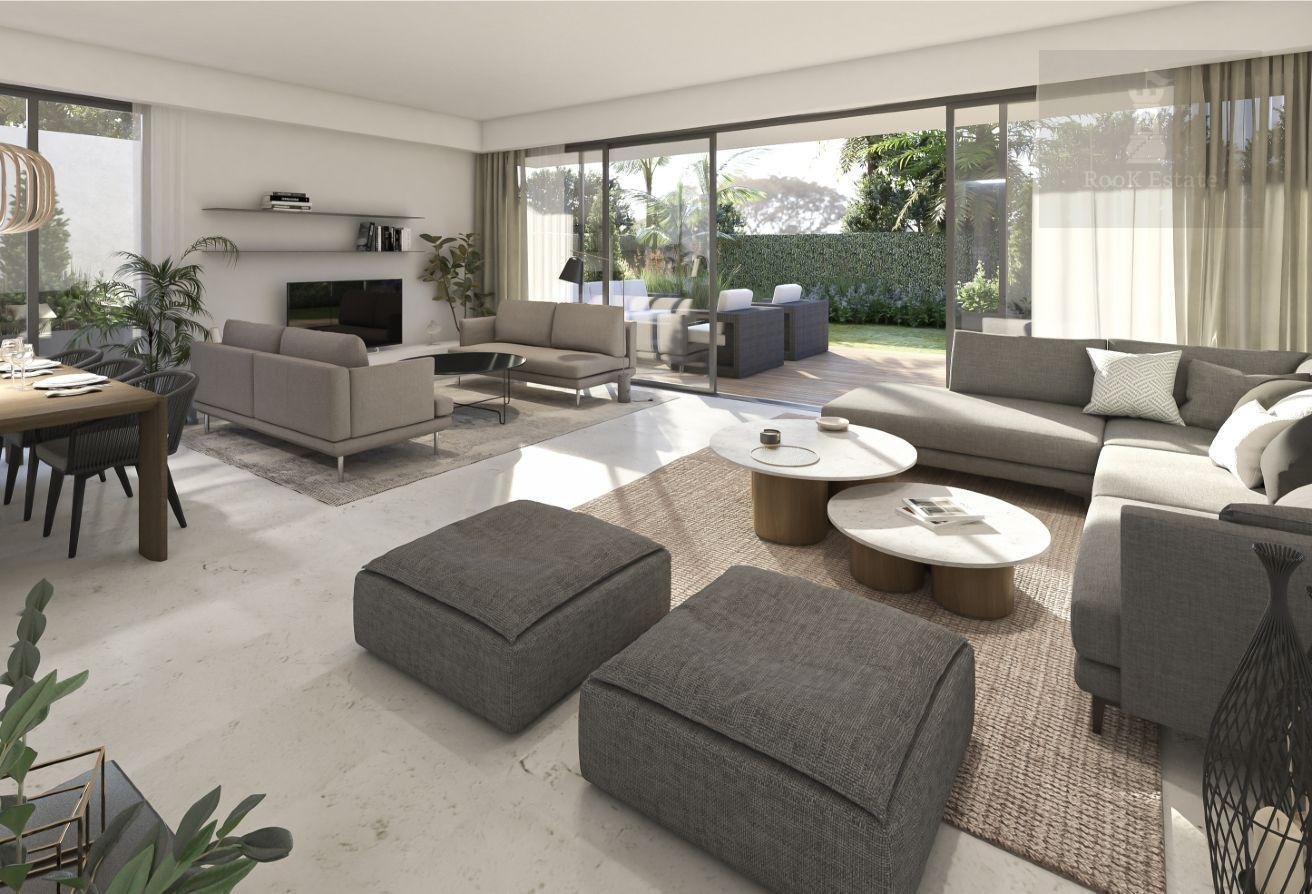
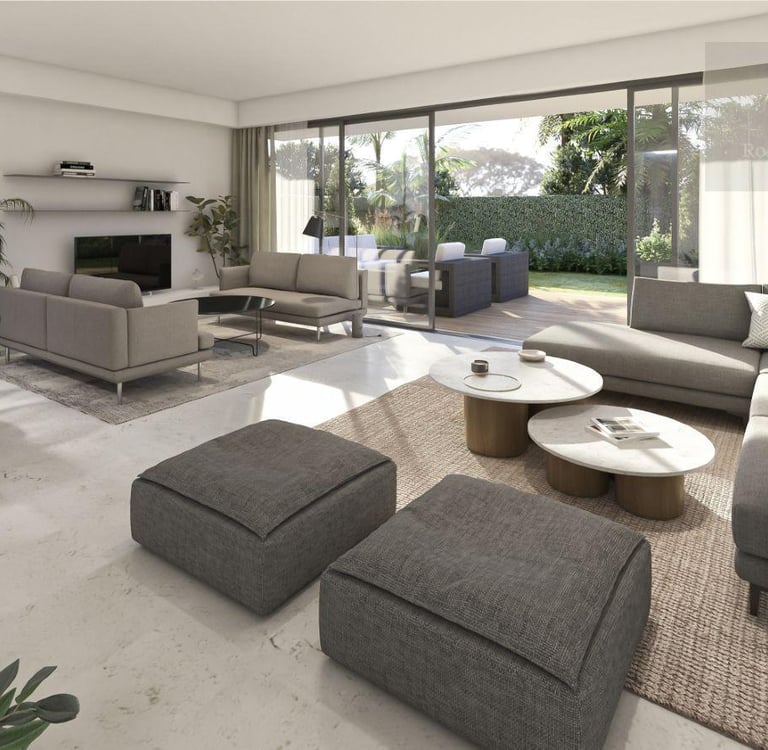
Understanding the Basics: Studio vs. 1 Bedroom Apartments
When selecting a living space, understanding the distinctions between a studio apartment and a 1 bedroom apartment is crucial. A studio apartment is typically defined as a single-room dwelling that combines the living room, bedroom, and kitchenette into one cohesive area. This layout promotes efficiency and often maximizes the utility of limited square footage, usually ranging from 300 to 600 square feet. The absence of walls separating the sleeping area from the living space creates an open floor plan, which can give the impression of a larger area despite its compact size.
In contrast, a 1 bedroom apartment features a separate bedroom, providing distinct privacy. This type of unit typically includes a living room, a separate kitchen, and a dedicated bedroom, with most layouts spanning from 600 to 800 square feet. The separation of spaces allows residents not only for privacy but also the potential to decorate or use each room differently according to personal preference.
From a design perspective, studio apartments rely heavily on multifunctional furniture, such as convertible sofas or foldable tables, to make the most of the space. On the other hand, 1 bedroom apartments allow for more specialized furnishing, such as a dedicated dining area or home office setup. Additionally, the layout of a studio can often lead to creative solutions for storage and organization due to space constraints. In a 1 bedroom, the presence of more discrete areas typically facilitates a more traditional and somewhat compartmentalized living experience.
Overall, the choice between a studio and a 1 bedroom apartment should be guided by individual preferences related to lifestyle, space utilization, and design considerations. Understanding these basics can assist prospective renters or buyers in making a more informed decision when selecting their ideal property.
Assessing Your Lifestyle Needs
When it comes to choosing between a studio and a 1 bedroom apartment, personal lifestyle needs play a crucial role in the decision-making process. Understanding how your daily routines and social habits interact with a chosen living space can greatly influence your satisfaction and comfort in your home. A studio apartment may cater well to individuals who thrive on minimalism and enjoy an open layout, whereas a 1 bedroom apartment might better suit those who prioritize privacy and space for personal activities.
Consider your work-from-home arrangements. If your job requires frequent video calls or focused tasks, a 1 bedroom apartment can provide a dedicated space for a home office, enabling productivity without distractions. On the other hand, if you only occasionally work from home, a studio's versatile space might satisfy your needs adequately. Additionally, think about your hobbies. If you enjoy painting, photography, or other activities requiring equipment or materials, a separate bedroom can serve as a creative sanctuary away from your living area.
Social habits also significantly influence your choice. Do you often host friends and family? A 1 bedroom apartment enables more privacy for both the host and guests, ensuring comfort during gatherings. In contrast, if your socializing typically involves outings or short visits, a studio might be sufficient. Furthermore, family considerations are essential; for those with children or planning for future family expansion, a 1 bedroom apartment generally offers improved functionality and stability.
Ultimately, evaluating what you value in a living space is imperative. Reflect on guiding questions: How often do you entertain guests? What are your preferred work conditions? What importance do you place on privacy and personal space? Conducting this self-assessment will aid you in making a well-informed decision between a studio and a 1 bedroom apartment that aligns with your lifestyle.
Budget and Financial Considerations
When evaluating the financial aspects of choosing between a studio and a 1 bedroom apartment, it is crucial to consider several factors, including rent, utilities, and the necessity for furniture. Typically, studios are more affordable than 1 bedroom apartments. The rent for a studio generally reflects its smaller size, allowing tenants to enjoy significant savings. This reduction in housing costs can be particularly beneficial for individuals living on a tighter budget or just starting in their careers.
In addition to rental prices, utility costs can also differ between these two types of living arrangements. Studios often incur lower energy expenses due to their compact size, which reduces heating and cooling requirements. Conversely, a 1 bedroom apartment might incur higher utility bills due to more extensive square footage. This distinction is important for potential renters looking to maintain a budget-conscious lifestyle.
Another factor to consider is furniture requirements. A studio typically requires less furniture than a 1 bedroom apartment, which could result in lower initial expenses when relocating. As a result, individuals may find that they can furnish a studio apartment without the need for large or multiple pieces of furniture, easing the financial burden. In contrast, a 1 bedroom apartment may necessitate additional purchases, which could strain a renter’s budget, especially if they are unprepared for such expenses.
Finding budget-friendly options often requires research and patience. Prospective tenants should explore various neighborhoods, consider market trends, and keep an eye out for promotional deals from landlords to identify the best rent prices available. Furthermore, renters must weigh the long-term financial implications of each choice, as the costs of living in a larger space may accumulate over time, impacting future savings and financial goals.
Making Your Decision: Pros and Cons
Choosing between a studio apartment and a 1 bedroom apartment involves careful consideration of various lifestyle factors. Each type of dwelling has its own set of advantages and disadvantages, which can influence your living experience significantly.
One of the primary benefits of a studio apartment is its efficient use of space. In these compact living quarters, all necessary amenities are typically integrated into a singular area, promoting a minimalist lifestyle and reducing clutter. This layout is particularly attractive for individuals who appreciate versatility and easy maintenance. Additionally, studios tend to be more cost-effective, offering lower rent and utility expenses, making them ideal for students or young professionals.
On the other hand, a 1 bedroom apartment offers increased privacy and separation of living spaces, which can enhance comfort for those who value distinct areas for sleeping and entertaining. This additional space allows for more personal belongings, catering to individuals who may work from home or enjoy hosting guests. Nonetheless, these advantages may come at a higher price point, both in terms of rent and ongoing costs.
When considering suitability for different lifestyles, studio apartments appeal to individuals with dynamic, mobile lifestyles who prioritize location and affordability over space. Conversely, 1 bedroom apartments are often better suited for couples or those who desire more room to create a home environment. In regards to versatility, the open-concept nature of studios can foster creativity in layout, while a 1 bedroom's separate rooms can provide an opportunity for varied decor and functionality.
In summary, both studio and 1 bedroom apartments have their pros and cons. It is essential to weigh these factors carefully against your personal preferences and lifestyle requirements. By examining elements such as space, cost, and privacy, you can make an informed decision that best meets your living needs.