
Smart Luxury: Investing in High-End Real Estate for Prime Returns
Smart luxury in real estate represents a blend of high-end living and strategic investment decisions aimed at maximizing financial returns. Unlike traditional luxury properties that merely emphasize opulence, smart luxury focuses on properties that provide long-term value appreciation while satisfying sophisticated lifestyle aspirations. This concept is gaining traction among affluent investors seeking more than just a status symbol; they desire assets that can yield sustainable returns.
HURGHADA CITY GUIDEBEACHFRONT LIVINGPROPERTY FINANCING
12/16/20255 min read
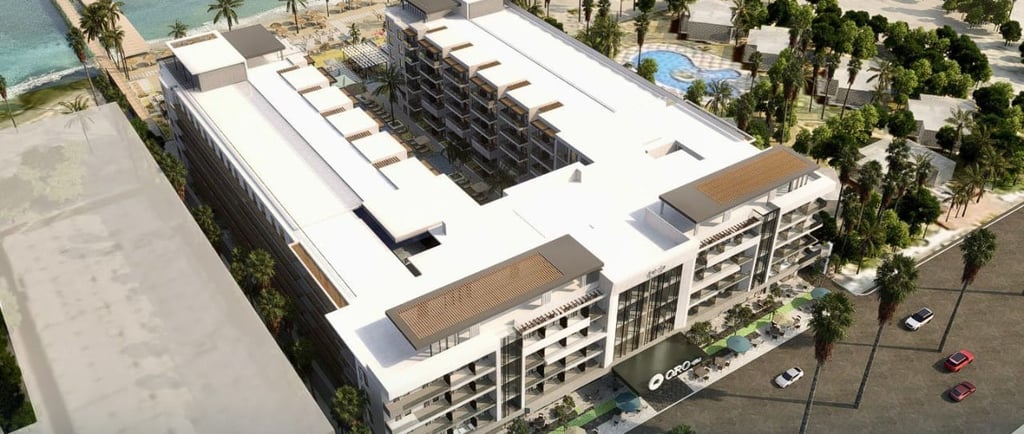
Understanding Smart Luxury in Real Estate
Smart luxury in real estate represents a blend of high-end living and strategic investment decisions aimed at maximizing financial returns. Unlike traditional luxury properties that merely emphasize opulence, smart luxury focuses on properties that provide long-term value appreciation while satisfying sophisticated lifestyle aspirations. This concept is gaining traction among affluent investors seeking more than just a status symbol; they desire assets that can yield sustainable returns.
One of the defining features of smart luxury properties is their unique architectural designs. These residences often stand out due to their innovative designs and attention to detail, showcasing a commitment to artistry that appeals to discerning buyers. Luxury real estate investment is no longer about acquiring lavish properties in prime locations; it's about understanding how these properties fit into a broader investment strategy. Hence, a smart luxury property is one that not only reflects elegance but also promises significant potential for appreciation and rental income.
Premium amenities play a crucial role in differentiating smart luxury properties. High-quality fixtures, advanced technology integration, and exclusive services such as concierge and security systems cater to the needs of a modern, affluent lifestyle. Real estate investors are increasingly focusing on these enhancements, recognizing that they contribute to the liveability and desirability of a property, thus improving its marketability. Furthermore, ideal locations are another pillar of smart luxury; properties situated in burgeoning neighborhoods or vibrant urban centers attract buyers and renters alike, ensuring consistent demand and value retention.
Investing in luxury real estate aligns well with financial aspirations. Investors are not only drawn to the luxurious aspects but are equally motivated by the potential for wealth accumulation over time. By choosing properties that embody smart luxury, they are more likely to achieve a balance between enjoying their investments and securing future financial stability. Ultimately, the concept of smart luxury encapsulates a holistic approach to property investment, merging personal lifestyle choices with sound financial judgment.
The Benefits of Investing in High-End Real Estate
Investing in high-end real estate offers a multitude of benefits that can significantly enhance an investor's portfolio. Primarily, luxury properties often provide potential for high returns on investment (ROI). The demand for premium properties typically outpaces supply, especially in desirable locations, which can lead to appreciation over time. Investors can also benefit from capitalizing on the exclusivity of high-end markets, where price increases are more pronounced compared to conventional real estate sectors.
Another compelling advantage is the stability in property values during economic fluctuations. Historically, luxury real estate has proven to be more resilient during downturns, as affluent buyers are less affected by economic instability. This inherent stability makes high-end properties an attractive choice for individuals looking to safeguard their investments against market volatility.
Moreover, luxury properties tend to attract affluent renters who are willing to pay a premium for exclusive living experiences. This demand results in consistent cash flow for investors, as high-end rental properties can often command higher rental rates. The lower vacancy rates associated with luxury rentals further contribute to their appeal, making them a reliable source of income.
Tax advantages also play a significant role in the allure of high-end real estate investment. Investors can benefit from various deductions, including mortgage interest and property depreciation, which can contribute to overall profitability. Additionally, diversification within an investment portfolio is crucial for mitigating risk; incorporating high-end real estate can be a strategic move to balance assets across different sectors.
In conclusion, the benefits associated with investing in high-end real estate are numerous. From high returns and long-term stability to consistent cash flow and tax advantages, this asset class is certainly a noteworthy consideration for serious investors looking to strategically enhance their portfolios.
Identifying Prime Luxury Markets for Investment
Investing in high-end real estate necessitates a thorough understanding of the luxury markets that offer the greatest potential for prime returns. To effectively identify these lucrative markets, several key factors should be evaluated. First, economic indicators such as GDP growth, employment rates, and overall economic stability are crucial. A robust local economy typically correlates with increased demand for luxury properties, making it essential for investors to assess these variables.
Demographic trends play a vital role in identifying promising luxury markets. Factors such as population growth, income levels, and age distribution can significantly influence the appeal of a market. For instance, areas with a growing number of high-income earners or younger populations may indicate a rising demand for upscale living spaces. Understanding the demographics of a region can help investors predict future market movements and leverage this knowledge to their advantage.
Local market conditions are equally important in the analysis process. This includes the supply and demand balance, property prices, and the turnover rate of luxury properties. High turnover rates may suggest a thriving market with active buyer interest, offering investors excellent opportunities. Additionally, examining existing luxury developments and occupancy rates will provide insights into the desirability of specific neighborhoods.
Future development potential is another significant consideration. Investors should research planned projects and zoning changes that may enhance a certain area’s appeal. For example, new infrastructure developments, commercial enterprises, or cultural institutions can contribute to neighborhood revitalization. Staying informed about these developments can create advantageous opportunities for investment.
Finally, data-driven research is fundamental in analyzing neighborhood dynamics to ensure informed investment decisions. Collecting relevant data on market trends, price fluctuations, and buyer behavior will enable investors to stay ahead. Some notable markets that have demonstrated consistently high potential include Miami, Los Angeles, and New York City. By monitoring such locations and understanding underlying trends, investors can significantly improve their chances of securing prime luxury real estate investments.
Navigating the High-End Real Estate Purchase Process
Investing in high-end real estate can be both rewarding and complex. To ensure a successful transaction, potential buyers should follow a structured approach. First and foremost, working with a luxury real estate agent who specializes in high-end properties is crucial. These professionals possess in-depth market knowledge, a network of contacts, and negotiation skills tailored to luxury transactions, which can significantly enhance your buying experience.
Understanding the legal requirements involved in the purchase is also essential. High-end properties may have unique zoning laws, environmental considerations, or homeowners’ association regulations that may not apply to average real estate transactions. Consulting with a real estate attorney can help clarify these aspects and ensure compliance with local laws.
The importance of thorough property inspections cannot be overstated. High-end properties often have intricate designs and high-value features that require careful evaluation. Engage qualified inspectors who are experienced with luxury homes to assess structural integrity, electrical systems, and potential maintenance issues, ensuring that no hidden flaws could affect your investment.
Due diligence extends beyond inspections and legalities. Conducting market research on comparable properties in the vicinity is key to understanding the potential investment value of your purchase. Recognizing current market trends, pricing fluctuations, and future developments in the area can influence your buying decision immensely.
When it comes to negotiations, having a strategic approach is vital. Luxury real estate transactions can involve high stakes, making it imperative to be equipped with effective negotiation tactics. This requires understanding the seller's motivations, being flexible with your offers, and having a clear upper limit for your budget while still making an attractive proposal.
Lastly, being aware of common pitfalls in the luxury real estate market will safeguard your investment. While the allure of high-end properties can be enticing, maintaining a level-headed perspective and relying on expert advice can prevent costly mistakes. Overall, effectively navigating the luxury real estate purchase process demands thorough preparation, a solid team of professionals, and a keen awareness of market dynamics.