
Investing in Coastal vs City Properties: Which Offers Better Long-Term Value?
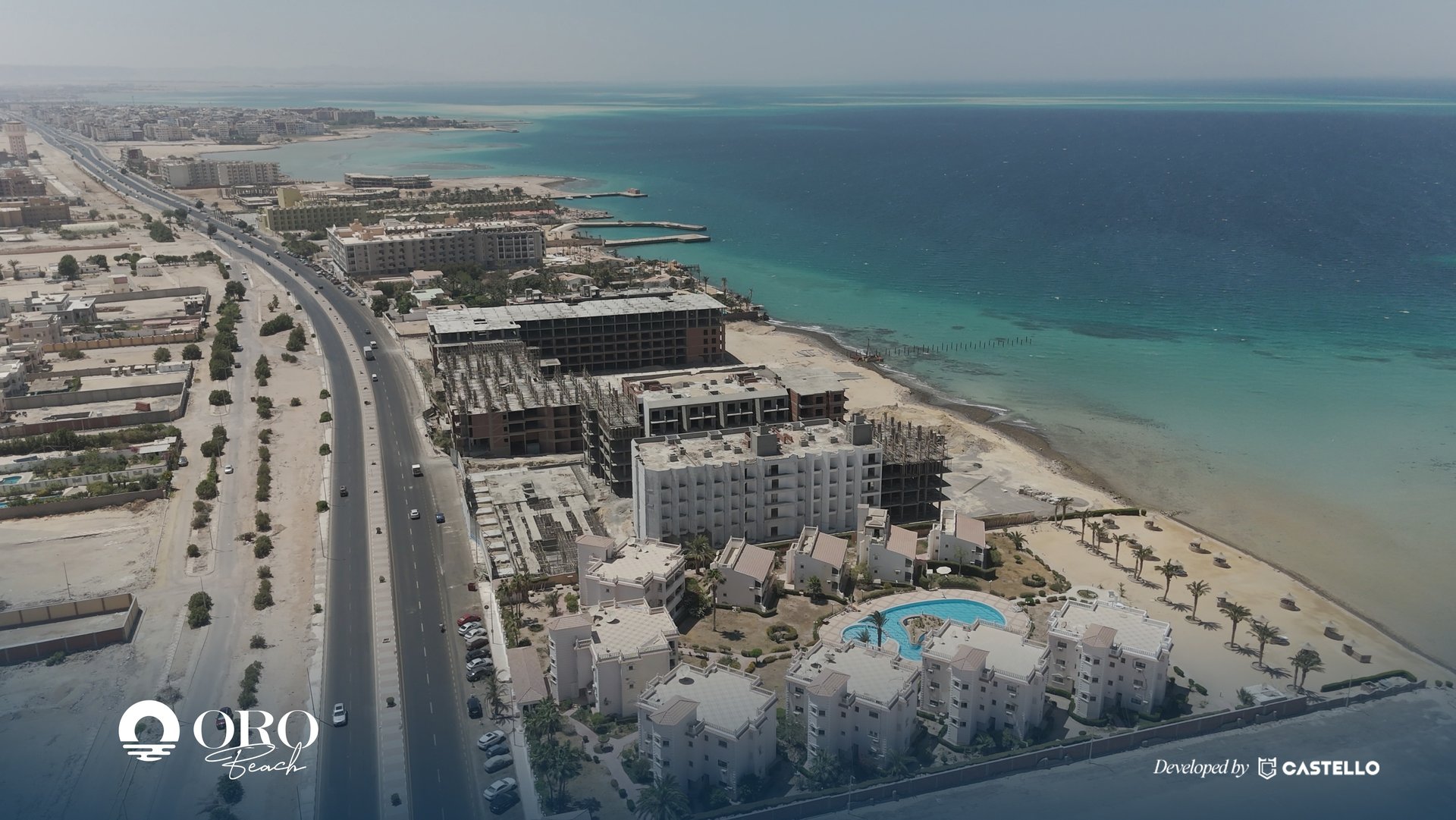
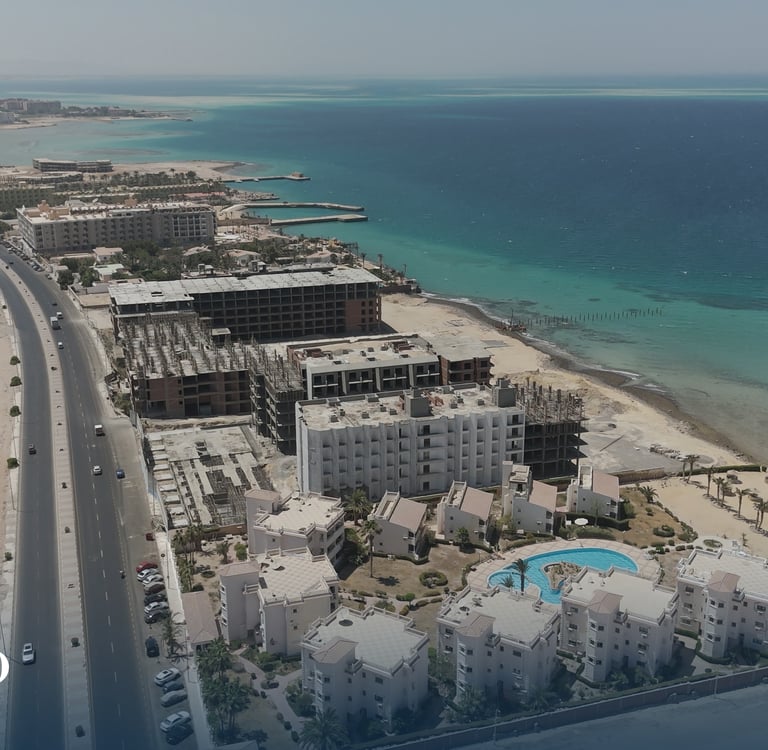
Coastal properties are often seen as idyllic investments, boasting stunning views and proximity to beaches, which can significantly boost their allure among potential buyers and renters. One of the most compelling characteristics of these properties is their ability to attract a consistent influx of tourists, especially during peak seasons. This demand contributes to rental opportunities that can yield significant returns for property owners when managed effectively. The potential for price appreciation in coastal areas tends to be higher due to the limited availability of land and the desirability of coastal living, making such investments attractive for long-term value.
PROPERTY BUYING GUIDESHURGHADA CITY GUIDEPROPERTY FINANCINGBEACHFRONT LIVING
4/5/20264 min read
Understanding Coastal Properties
Coastal properties are often seen as idyllic investments, boasting stunning views and proximity to beaches, which can significantly boost their allure among potential buyers and renters. One of the most compelling characteristics of these properties is their ability to attract a consistent influx of tourists, especially during peak seasons. This demand contributes to rental opportunities that can yield significant returns for property owners when managed effectively. The potential for price appreciation in coastal areas tends to be higher due to the limited availability of land and the desirability of coastal living, making such investments attractive for long-term value.
However, while coastal properties present numerous advantages, they also come with distinct challenges. The risk of natural disasters, such as hurricanes and flooding, poses a significant threat to both physical property and investment security. Investors must factor in potential damage costs and the need for comprehensive insurance policies. Additionally, environmental regulations can impact the development and maintenance of coastal properties. Zoning laws, habitat protection measures, and restrictions on building may limit expansion and require ongoing compliance efforts, which can influence the total investment outlay.
Furthermore, dependence on seasonal rental income can also be a concern; during off-peak months, property owners may witness a dramatic decline in cash flow. Therefore, while investing in coastal properties can be profitable, it is essential to undertake a thorough analysis of the location and surrounding environment. By understanding the intricacies of coastal investments—balancing the allure of potential high returns with inherent risks—investors can make informed decisions that align with their long-term financial goals.
Evaluating City Properties
Investing in city properties presents a unique opportunity for long-term value appreciation. Urban environments are often at the forefront of economic activity and growth, bolstered by continual urban development. These vibrant locations usually offer a diverse job market, which can attract a steady influx of residents seeking employment opportunities. This increasing workforce stimulates demand for housing, driving property values upward over time.
The pace of urban development plays a crucial role in enhancing the appeal of city properties. Infrastructure improvements, such as upgraded transportation networks, new business centers, and enhanced public amenities, further contribute to the desirability of urban living. For instance, cities that prioritize green spaces, public transit access, and community services often see higher property appreciation due to their improved quality of life. Prospective investors should be mindful of developments in zoning laws, which can significantly impact future property value.
Moreover, city amenities greatly influence the demand for properties. Offsetting the high costs often associated with urban living, nearby cultural, educational, and recreational opportunities are appealing to many potential buyers or renters. Access to renowned restaurants, theaters, parks, and museums adds intrinsic value to city properties. This emphasis on lifestyle offerings often encourages young professionals, families, and retirees alike to invest in city living, thereby ensuring a resilient demand for real estate in these areas.
In summary, city properties present an attractive investment option influenced by dynamic urban growth, evolving job markets, and an array of lifestyle amenities. Understanding these factors is essential for investors looking to maximize their long-term returns in the real estate market.
Comparative Analysis of Investment Potential
When discerning the investment potential of coastal versus city properties, several pivotal factors warrant examination. Understanding the return on investment (ROI) is crucial as it serves as a measure of performance for investors. Typically, coastal properties offer unique appeal due to their scenic views and recreational opportunities, often commanding higher rental prices. These properties can yield robust rental yields, particularly during peak vacation seasons. In contrast, city properties may boast consistent ROI, fueled by year-round demand from professionals and students seeking long-term leases within urban environments.
Market trends prominently influence both property types. Urban areas generally experience steady growth due to technological advancements, job opportunities, and infrastructure development. Conversely, coastal regions can be more volatile, affected by seasonal fluctuations, climate change concerns, and tourism trends. Investors must evaluate market stability when considering long-term investments in either sector. The ability to predict future real estate trends is integral to making informed decisions.
Tenant demand is another critical metric to analyze. City properties generally benefit from high demand due to a concentrated population and diverse employment sectors, resulting in lower vacancy rates. Meanwhile, coastal properties attract a different demographic, often appealing to vacationers and retirees, leading to potential seasonal vacancies, but they can also generate higher rental income during peak times. Thus, understanding tenant demographics and their corresponding demands reflects overall investment potential.
In terms of maintenance costs, coastal properties may encounter higher expenses due to proximity to saltwater, which can cause corrosion and damage. On the other hand, city properties can face substantial maintenance fees linked to older infrastructure and urban wear-and-tear. Evaluating these costs is essential for investors seeking to maximize long-term value.
Making an Informed Decision: Factors to Consider
When deciding between investing in coastal and city properties, several critical factors come into play. Each property type presents unique advantages and challenges, making it essential for investors to align their choices with both financial goals and personal preferences.
First, personal priorities play a pivotal role. Investors should evaluate whether they are more inclined towards a vibrant urban lifestyle with close access to amenities, or if they prefer the tranquility and natural beauty offered by coastal areas. Understanding lifestyle aspirations not only affects daily living but also influences long-term investment satisfaction.
Another significant factor is risk tolerance. Coastal properties may come with environmental risks, such as flooding or hurricanes, which can impact property longevity and insurance costs. In contrast, urban properties could be susceptible to changes in local economies and real estate trends. Investors must assess their comfort level with these risks, as it can heavily dictate the type of property that aligns with their investment strategy.
Market conditions are equally important in making an informed decision. Prospective buyers should analyze current market trends, including property appreciation rates, rental markets, and demographic shifts. Cities often experience fluctuations driven by economic developments, while coastal areas may offer more stable appreciation due to the perennial appeal of waterfront living.
Ultimately, the decision to invest in coastal versus city properties requires a comprehensive understanding of these factors. By carefully evaluating personal priorities, risk tolerance, and prevailing market conditions, investors can align their choices with their financial goals, ensuring an investment that not only yields economic returns but also aligns with their overall lifestyle aspirations.
Not sure whether coastal or city properties offer better long-term value?
Make a confident investment decision based on real data, market trends, and your financial goals.