
Elegant Interiors That Help Sell Homes Faster: Expert Design Tips
When it comes to selling a home, understanding the psychology of homebuyers is crucial. Several psychological factors play a significant role in influencing the choices of potential buyers during property viewings. Homebuyers often make decisions based on their emotional responses to a space, which is why aesthetics, ambiance, and emotional appeal are paramount in making a home more desirable.
HURGHADA CITY GUIDEPROPERTY BUYING GUIDESBEACHFRONT LIVING
1/25/20265 min read
Understanding the Psychology of Homebuyers
When it comes to selling a home, understanding the psychology of homebuyers is crucial. Several psychological factors play a significant role in influencing the choices of potential buyers during property viewings. Homebuyers often make decisions based on their emotional responses to a space, which is why aesthetics, ambiance, and emotional appeal are paramount in making a home more desirable.
One critical element is color psychology. Colors can evoke specific feelings and perceptions; for instance, soft blues and greens are often associated with tranquility, while warmer tones like yellow and orange can create feelings of warmth and happiness. By selecting a harmonious color palette, sellers can enhance the mood of a space and create a lasting impression. Neutral colors are particularly effective, as they allow buyers to envision their personal style within the home.
The spatial flow of a home is another psychological consideration. A well-designed layout that promotes ease of movement can make buyers feel at home instantly. Open floor plans are increasingly popular, as they create a sense of spaciousness and connectivity between rooms. This open concept not only maximizes usability but also enhances the psychological comfort of potential buyers.
Furthermore, the impact of lighting cannot be underestimated. Well-lit spaces are generally more inviting and can positively affect how buyers perceive a home. Natural light, in particular, has been shown to uplift moods and foster a sense of well-being. Strategic use of lighting fixtures can also highlight key features of the home and create an alluring ambiance that captivates viewers.
By considering these psychological factors—color, spatial flow, and lighting—sellers can create an inviting environment that resonates with potential buyers and ultimately leads to a successful sale.
Key Design Elements for Creating an Elegant Interior
Creating an elegant interior requires careful attention to several key design elements that collectively enhance the aesthetic and functionality of a space. First and foremost, furniture selection plays a pivotal role. Opting for quality pieces that exhibit exemplary craftsmanship can establish a tone of sophistication. It is advisable to incorporate a mix of classic and contemporary styles which can create an appealing juxtaposition while maintaining an air of elegance.
Equally important is the layout of furniture within the space. An optimized layout not only fosters better flow but also maximizes the functionality of areas within the home. Ensure that each room serves its purpose effectively, offering ample space for movement and accessibility. A well-structured layout encourages engagement and enhances the overall ambience, which is particularly important when hosting potential buyers during a showing.
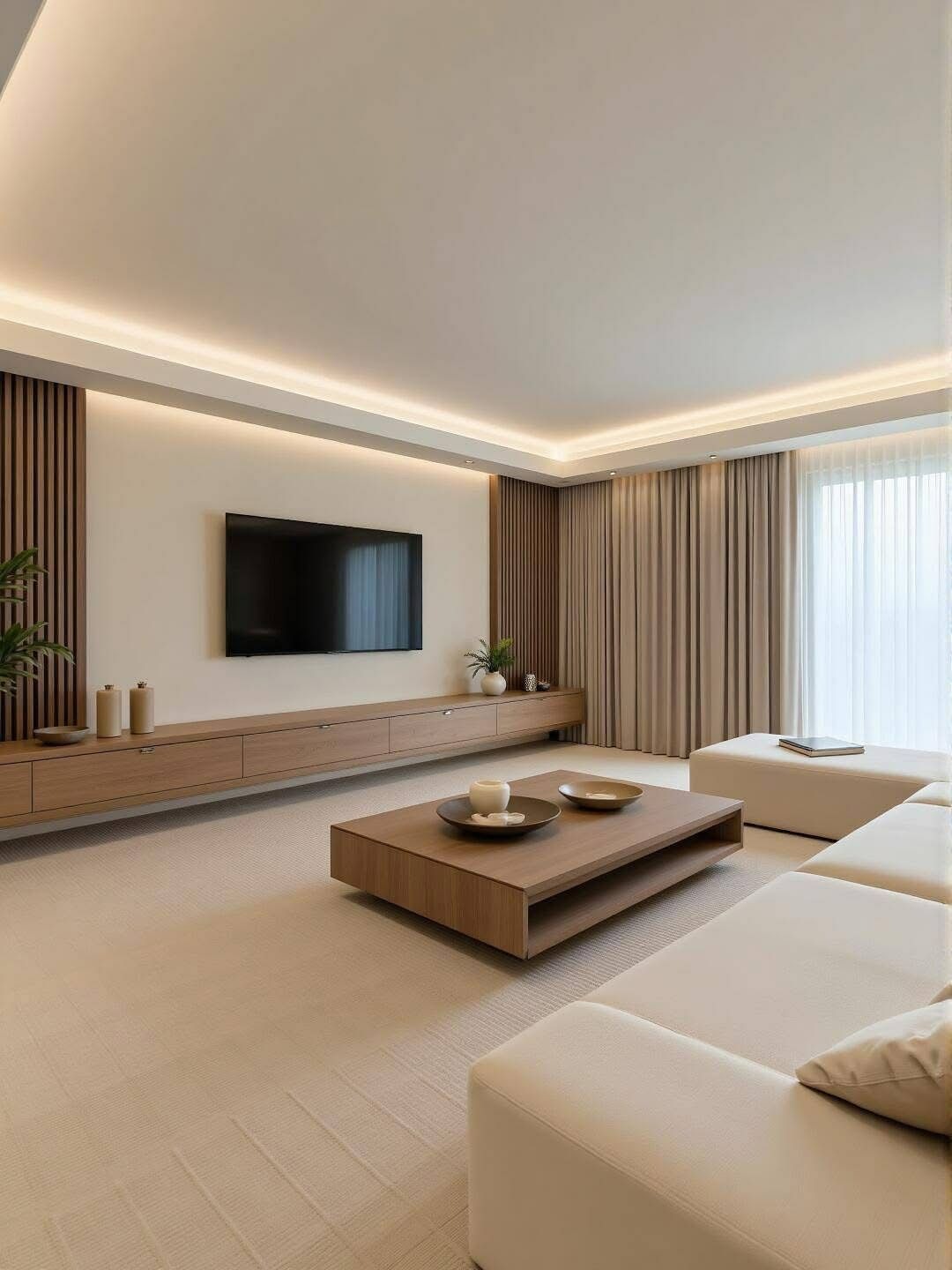
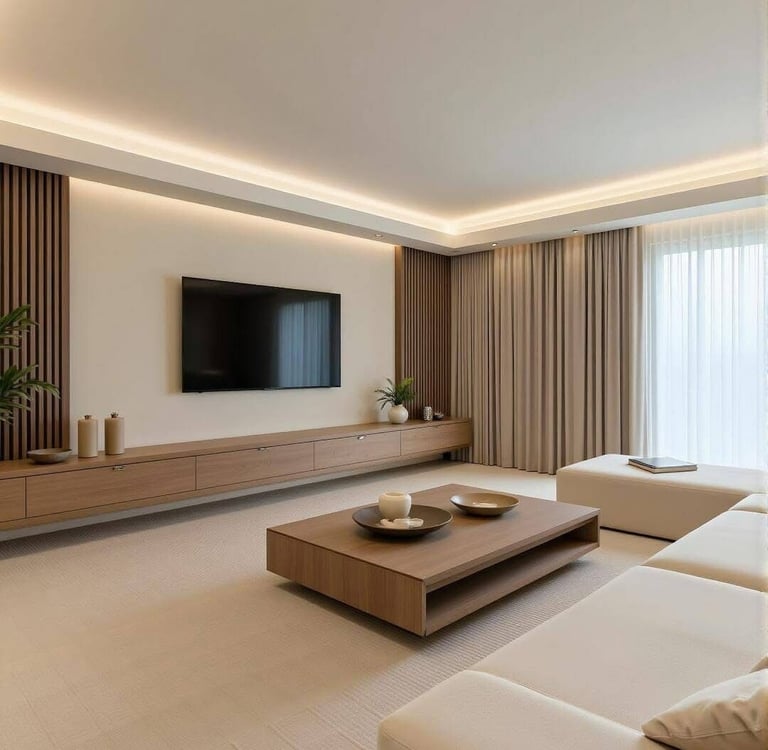
The choice of color palettes significantly influences the overall feel of a home. Neutral tones, such as soft beiges, warm grays, and muted whites, are particularly effective in creating an inviting and sophisticated atmosphere. Such palettes enhance natural light, making spaces appear larger and more open. Furthermore, introducing pops of color through decorative accents—like pillows, artwork, or vases—can provide a modern twist while keeping the elegant theme intact.
Lastly, textures are crucial for elevating a space from merely beautiful to truly elegant. A blend of materials, such as soft textiles, sleek metals, and natural woods, can evoke a sense of warmth and luxury simultaneously. Layering textures through curtains, rugs, and cushions adds depth and interest, making a home feel personal yet polished. By thoughtfully combining these elements, homeowners can create interiors that not only appeal to personal aesthetics but also resonate with potential buyers, speeding up the sale process.
Staging Techniques to Elevate Your Home's Aesthetic
Successfully staging a home requires attention to detail and a clear understanding of how to enhance the interior without overwhelming potential buyers. One of the most critical steps in this process is decluttering. A tidy space allows buyers to envision themselves living in the home, making it crucial to remove personal items, excessive furniture, and unnecessary decorations. This creates an open and inviting atmosphere that can help to sell homes faster.
After decluttering, the arrangement of furniture plays a significant role in the home's appeal. Strategic placement can maximize space and create a functional flow throughout the interior. Consider positioning larger furniture items against the wall to free up central areas, facilitating easy movement and conversation. Additionally, ensuring there is a balance in the visual weight of your furnishings can enhance the overall cohesion of the space.
Accessories also serve as essential elements in staging for sale. Incorporating art pieces, decorative pillows, and tasteful ornaments can add personality to the home while maintaining a sophisticated ambiance. Choose a harmonious color palette that complements the existing tones in the interior, instilling a sense of cohesion. Furthermore, including plants or floral arrangements introduces freshness and life to the home. They can provide a pop of color and, in many cases, evoke a sense of tranquility and warmth.
Statement pieces can be highly effective in capturing attention and leaving a lasting impression on potential buyers. Whether it is a stunning piece of sculpture or a unique lighting fixture, including one or two well-placed items can serve as focal points that elevate the overall aesthetic of the interior. By thoughtfully applying these staging techniques, homeowners can create an inviting environment that not only feels spacious and functional but also resonates with prospective buyers.
Tips for Hiring a Professional Interior Designer
Hiring a professional interior designer can significantly enhance the appeal of your home, making it more attractive to potential buyers. The first step in this process is to conduct thorough research to identify designers that specialize in the style you wish to achieve. Utilize online platforms, design magazines, and social media to gather a list of potential candidates. Consider searching for local designers to ensure they are familiar with the market trends in your area.
Once you have a shortlist, evaluate their portfolios. A designer's portfolio showcases their past projects and creative capabilities, allowing you to assess alignment with your vision. Pay attention to the consistency of their work and their ability to create spaces that resonate with those seeking elegant interiors. If possible, observe completed projects in person or read client testimonials to gain insight into their professionalism and work ethic.
Understanding the specific services offered by each designer is crucial. Some may focus solely on décor, while others may provide comprehensive design, including structural changes. Clarify whether they offer project management services or work on an hourly basis. This ensures that you find a designer whose skill set matches your needs.
Communication is key throughout the design process. Clearly articulate your vision and expectations from the outset, including any budget constraints. This transparency allows the designer to create a proposal that aligns with your financial parameters. To maximize the value a designer brings to your home, prepare an outline of the desired outcomes and any critical elements that must be included in the final design.
As you consider these factors, compile a list of practical questions to pose during initial consultations. Inquire about their design process, timelines, and how they manage client feedback to ensure an effective partnership. Evaluating these aspects will help you make informed decisions in selecting a designer who can best elevate your home's interior and expedite sales.
Boost Your Property’s Appeal – Learn How Elegant Interiors Sell Homes Fast!