
Beachfront or City Centre? How to Compare Apartment Values in 2026
Compare beachfront vs. city-centre apartments in 2026. Discover 7 factors affecting property value, rental demand, resale potential, and long-term investment returns in Hurghada.
HURGHADA CITY GUIDEPROPERTY BUYING GUIDESBUGDET FRIENDLYREAL ESTATEPROPERTY FINANCINGBEACHFRONT LIVINGPOOL VIEW VS SEA VIEW
10/17/20265 min read
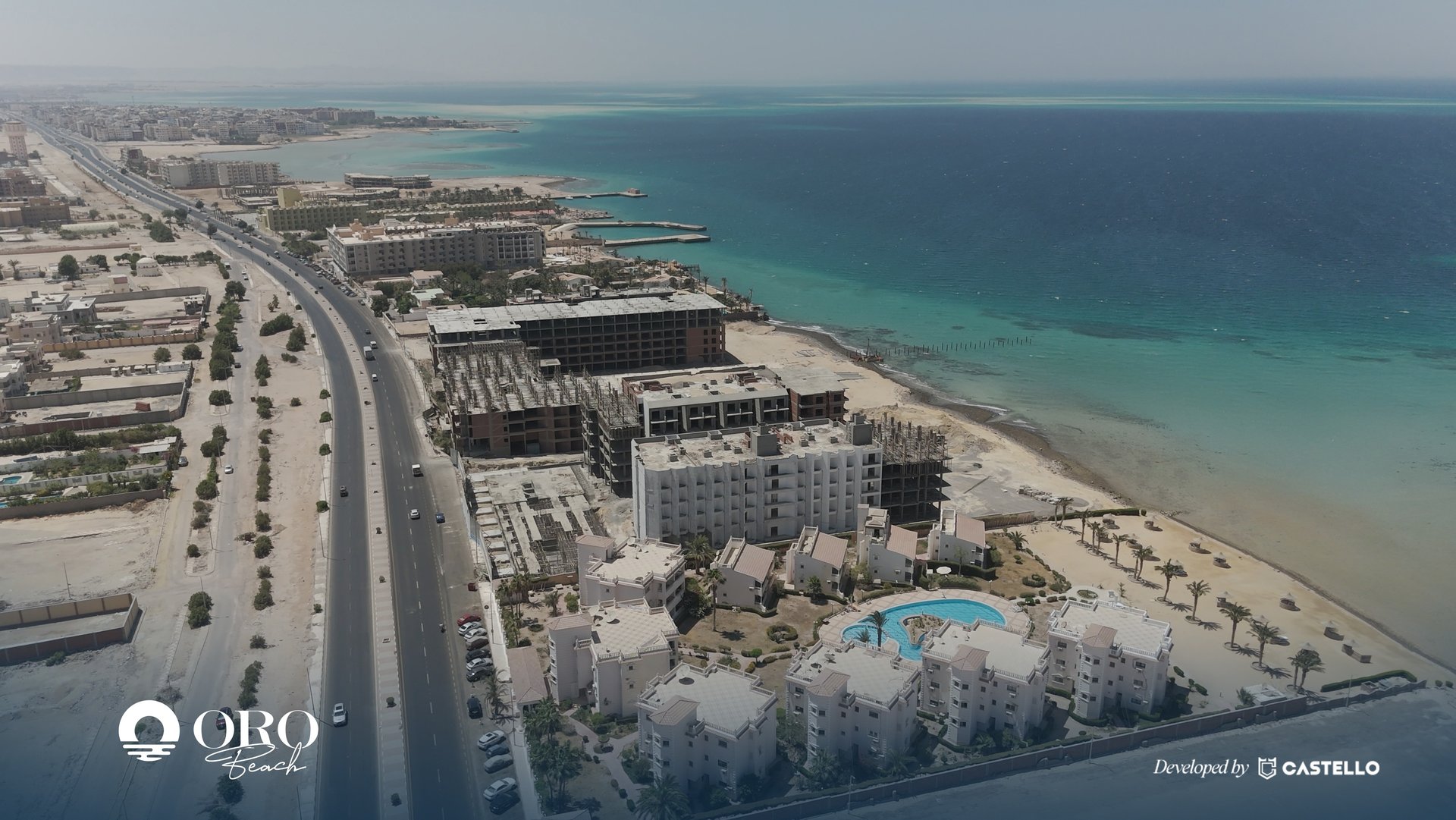
Beachfront vs. City-Centre Apartments: 7 Key Factors That Affect Property Value in 2026
Choosing between a beachfront apartment and a city-centre property involves more than comparing sea views with urban convenience. Neither location automatically delivers better investment returns or stronger long-term value. Two apartments with similar sizes and finishes can perform differently because buyers and tenants value accessibility, amenities, lifestyle, and rental potential in different ways.
For investors in Hurghada, understanding these differences can help identify properties that match their budgets and long-term goals. The key is to compare actual market conditions, ownership costs, rental demand, and resale prospects rather than relying on general assumptions about either location.
1. Purchase Price and Location Value
Beachfront apartments may command higher prices because of their sea views, beach access, and lifestyle appeal. However, their value depends on the specific development, quality of construction, available facilities, and demand from buyers.
City-centre apartments may offer convenient access to shops, workplaces, restaurants, and everyday services. Their prices can also vary significantly depending on the neighborhood, building condition, and proximity to important amenities.
When comparing properties in 2026, examine recent sales of similar apartments in each area. Consider the purchase price alongside transaction fees, service charges, maintenance costs, and other expenses. A higher-priced apartment is not necessarily a better investment, just as a lower-priced property does not automatically offer better value.
2. Accessibility and Nearby Amenities
Accessibility plays an important role in determining how attractive an apartment is to buyers and tenants. City-centre properties may benefit from proximity to workplaces, hospitals, universities, supermarkets, public transport, and other everyday services.
Beachfront apartments may appeal to buyers who prioritize coastal living, recreation, restaurants, and easy access to the sea. Their convenience also depends on road connections, parking, public transport, and access to nearby towns or essential services.
Evaluate actual journey times and the availability of facilities rather than relying on distance alone. Well-connected properties can appeal to a broader range of potential buyers and renters, supporting demand throughout the year.
Also consider the quality of shared facilities, including parking, security, fitness areas, swimming pools, and outdoor spaces. Amenities can strengthen an apartment's appeal, but their value depends on how well they are maintained and whether their ongoing costs are reasonable.
3. Buyer Demand and Long-Term Market Stability
The strength and diversity of local demand can influence an apartment's ability to retain its value.
City-centre properties may attract professionals, students, families, long-term residents, and property investors. Demand can benefit from local employment, education, healthcare, and essential services.
Beachfront apartments may appeal to holiday-home buyers, lifestyle purchasers, and investors targeting tourism-related rentals. Their performance can depend more heavily on visitor numbers, seasonal demand, and changes in holiday spending.
However, these patterns are not universal. A beachfront development with reliable year-round demand may outperform a poorly located city apartment, while a central property in a growing employment area may offer stronger resale prospects than a coastal unit with limited services.
Investigate population trends, employment activity, tourism performance, and the supply of competing apartments. An increase in similar properties can put pressure on rental rates and resale prices, even in an attractive location.
4. Rental Income and Occupancy Potential
Rental income is an important consideration when comparing beachfront and city-centre apartments, but advertised rates alone do not show which property performs better.
Beachfront apartments may attract holidaymakers willing to pay higher rates during busy travel periods. However, income can fluctuate with tourism demand, seasonal occupancy, and competition from other holiday rentals.
City-centre apartments may appeal to long-term tenants who need convenient access to work, education, and everyday services. Depending on the local market, longer leases may provide more predictable rental income and reduce frequent tenant turnover.
To compare rental potential, research achievable rents for similar properties and estimate occupancy throughout the year. Then deduct management fees, maintenance, utilities paid by the owner, cleaning, taxes, and other operating expenses.
Remember that short-term rental activity may be restricted by local regulations or building rules. Confirm that your intended rental strategy is permitted before purchasing.
The stronger rental investment is the apartment that produces sustainable net income after expenses, not necessarily the one with the highest advertised nightly rate.
5. Maintenance Costs and Ongoing Ownership Expenses
The purchase price is only one part of the total cost of owning an apartment. Service charges, insurance, utilities, repairs, and building maintenance can significantly affect long-term affordability.
Beachfront properties may experience faster deterioration of metal fittings and other materials due to salt exposure and moisture. Depending on the building's design, construction quality, and maintenance standards, this can increase cleaning, inspection, and replacement costs.
City-centre apartments may have different challenges, including aging plumbing, electrical systems, lifts, and shared building infrastructure. Central developments may also charge higher fees for facilities or services.
Before buying, request a breakdown of service charges and clarify what they cover. Review the condition of shared areas, the history of maintenance expenses, and any planned major repairs. Where applicable, check whether the owners' association has sufficient reserves to fund future work.
Comparing realistic annual expenses helps investors understand which property offers better overall value.
6. Environmental Risks and Property Protection
Environmental exposure can affect maintenance costs, insurance availability, and long-term property value.
For beachfront apartments, investigate coastal erosion, flooding, storm damage, moisture, and the effects of salt air. Ask about the building's maintenance history, construction standards, drainage, and any planned resilience improvements.
For city-centre properties, assess flood exposure, noise, air pollution, building age, and the condition of essential systems. Risks can vary considerably between nearby streets and individual developments, so avoid relying solely on broad descriptions of an area.
Review available property surveys, local hazard information, and insurance terms before making a decision. Confirm which risks are covered, whether exclusions apply, and whether premiums are likely to affect your budget.
A property with a lower purchase price may become more expensive over time if it requires frequent repairs or has limited insurance protection. Evaluating these risks early can help prevent unexpected costs.
7. Resale Value and Market Liquidity
Resale value depends on more than location or views. The property's condition, purchase price, building reputation, local supply, and demand from future buyers all influence its ability to retain value.
City-centre apartments may appeal to a range of buyers, including residents, professionals, and investors seeking long-term rental opportunities. Beachfront apartments may attract lifestyle buyers and holiday-home purchasers, although demand can be influenced by tourism trends and changes in discretionary spending.
Market liquidity is also important. It describes how easily an owner can find a qualified buyer and complete a sale at a reasonable price. A property may have long-term potential but still take considerable time to sell if its target audience is limited or financing is difficult.
Review recent completed sales, typical time on the market, and the number of competing properties. Consider whether planned transport improvements, new employment opportunities, or changes in local tourism could affect demand during your expected holding period.
Beachfront vs. City-Centre Apartments: Which Holds Its Value Better in 2026?
Neither beachfront nor city-centre apartments automatically retain their value better. The stronger option depends on the specific property, its location, purchase price, maintenance requirements, rental demand, and future resale market.
For a more informed comparison, review recent sales and achievable rental rates for similar apartments in each area. Calculate net rental income after vacancies, service charges, management fees, repairs, taxes, and insurance. Inspect the property and shared facilities, verify rental restrictions, and investigate environmental risks before committing.
Your investment priorities should also influence the decision. Investors seeking rental income may prioritize dependable occupancy and manageable operating costs. Buyers purchasing a holiday home may place greater importance on beach access and personal enjoyment. Those expecting to sell within a few years may focus more heavily on resale demand and market liquidity.
Ultimately, the better investment in 2026 is the apartment whose price, income potential, ownership costs, and resale prospects align with your financial goals. Comparing real market evidence rather than relying on the appeal of a particular setting can help you make a more confident property decision.
Looking for a Property in Hurghada with Strong Long-Term Potential?
Whether you prefer a beachfront apartment with sea views or a city-centre property close to everyday amenities, choosing the right location is essential for your investment goals. At Rook Development, we help you explore properties across Hurghada and the Red Sea region, comparing prices, rental potential, and payment plans to find the right fit for your budget.